
This framework is ideal for those who feel overwhelmed by the initial setup and appreciate a more directed experience to begin their journey. Tracka.AI stands out among the best habit tracking apps by moving beyond simple checkmarks to make habit change genuinely achievable. It combines effortless daily logging with AI-powered insights and social accountability, creating a powerful system for understanding the why behind your habits. This approach is designed for anyone who wants to build consistency and improve their lifestyle, whether they’re tracking fitness, nutrition, screen time, or personal growth.
Serenity – Best for Goal Clarity & Accountability Support
Fitness consistency is the practice of engaging in physical activity and healthy behaviors regularly. Whether you exercise three times a week or daily, the key is to keep moving forward. Instead of focusing on perfection, focus on consistently doing fitness by showing up, putting in the work toward progress, and prioritising your health. Stay focused on your goals and make meaningful progress toward sustainable results. Establishing an environment of support also encourages consistency in fitness. Lay out your workout clothes the night before, program reminders into your phone, or join a fitness community for accountability.
By sticking to a regular workout schedule, you allow your body to adapt, recover, and grow stronger. Moreover, creating a support system can significantly mitigate the impact of these obstacles. Surrounding yourself with fellow fitness enthusiasts, friends, or online support groups encourages accountability and keeps you motivated. Sharing your struggles can provide new perspectives and strategies for overcoming challenges.
Guilt, Shame, and the Streak Trap
Establishing a routine and maintaining it over time can lead to significant progress and sustainable health benefits. In this blog post, we’ll explore the importance of consistency in fitness, practical tips to incorporate it into your lifestyle, and the long-term benefits it brings. Its robust reminder system and well-designed Apple Watch app ensure your goals stay top-of-mind. While the free version is functional for a few habits, the full power of its features, including unlimited habits and detailed statistics, is unlocked with a subscription. Recovery data from metrics like HRV, resting heart rate, and sleep quality tells you when your body is ready to train hard and when it needs a lighter session. By adjusting your training intensity to match your recovery, you avoid overtraining and burnout, which are the primary killers of long-term consistency.
If you’re an Apple Watch user, you’ll appreciate how seamlessly many of the best workout apps integrate with your wearable. With Apple Health integration, all your workout data is automatically logged, making it simple to monitor your progress and stay motivated over time. HabitBull is a powerful and long-standing player among the best habit tracking apps, celebrated for its flexibility and data-centric approach. It empowers users to track complex habits with highly specific cadences, moving beyond simple daily check-ins. easy cancellation fitness apps Cora’s AI coach sends a daily check-in based on your Body Charge recovery score.
Why Most Workout Apps Fail (and What Makes the Best Ones Different)
Working out harder, faster, and more frequently is great, but if you’re not doing that consistently, you likely won’t find the same success you would otherwise. Sometimes, the best way to stick to a consistent training routine is to have someone else holding you accountable. Remember our example of setting a goal of lifting a certain amount of weight? It’s great to be ambitious with goals, but it’s also important to set realistic goals that you can achieve while on your way to hitting that big goal. And when we talk about progress, we’re not just talking about meeting those big goals, like running that half-marathon. Small, consistent improvements can have a big impact over time.
Activity Tracking
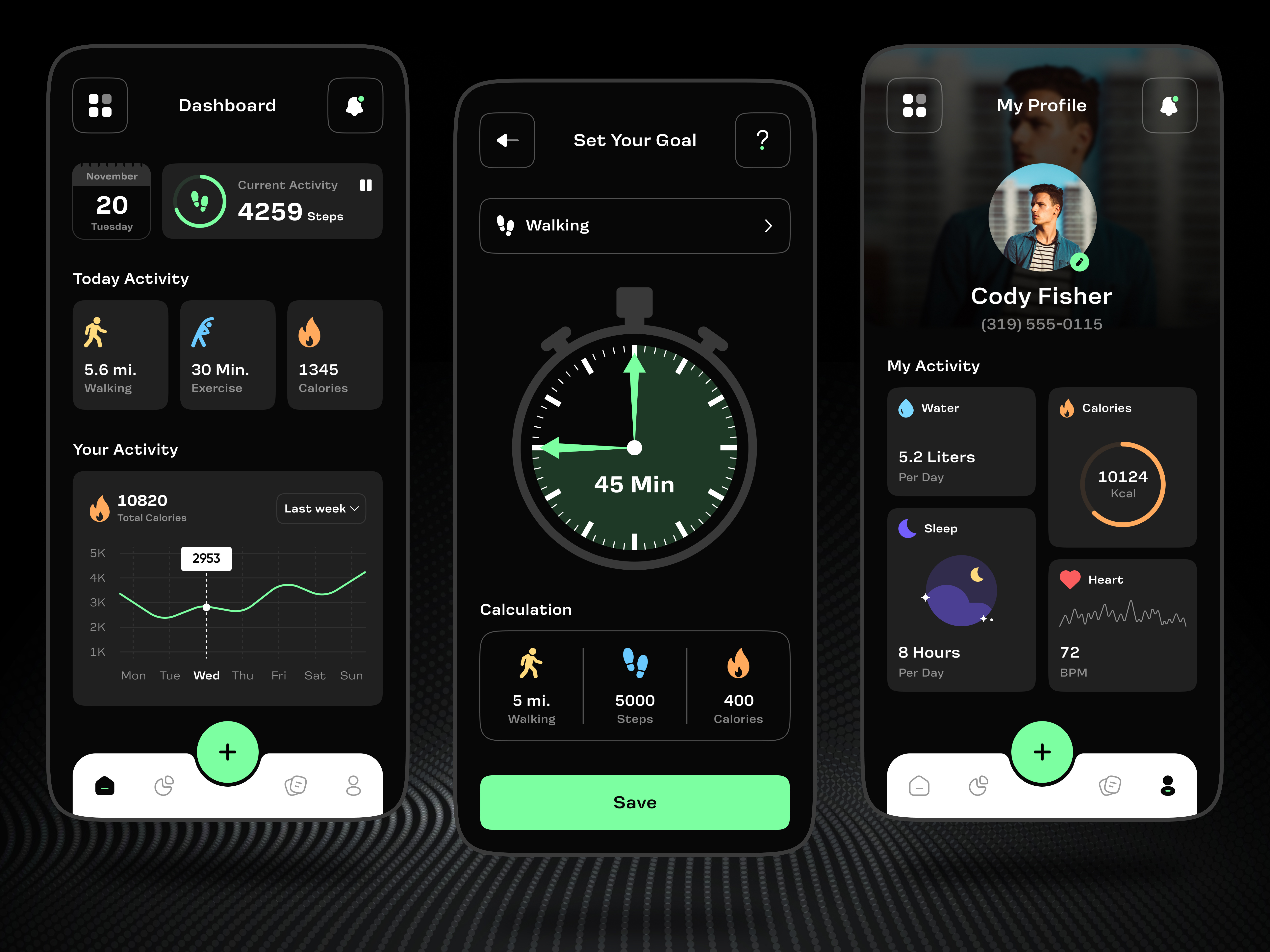
These digital tools offer everything from personalized training plans to real-time progress tracking, helping you find the ideal workout app for your unique fitness level and ambitions. These platforms help users achieve their specific training goals, whether it’s building muscle, increasing strength, or improving endurance. For example, the Peloton app includes bodyweight-only workouts and routines with small pieces of equipment like dumbbells and resistance bands.
Practical tips to help you stay active every day
Fitness CF offers personalized training and group classes to ensure that you get the support and accountability you need. Cross-reference missed sessions with the notes you wrote during weekly reviews. Do your misses cluster after particularly hard sessions? That suggests your programming is too aggressive and creating avoidance behavior. That suggests sleep is your rate limiter, not motivation. Do they cluster around specific life events — business trips, family visits, project deadlines?
A personal trainer can help you build a plan that keeps you consistent, motivated, and improving—without burning out. If you want to achieve long-term progress and success with your training, staying consistent with your workouts and healthy habits is key. HyperResponder offers one such approach, turning your plain-text notes into structured logs, progress trends, and AI feedback so you can focus on training rather than admin. Tracking more than three to four habits simultaneously on a single grid creates decision fatigue and reduces adherence to all of them.
Building Habits for Long-Term Success
Research supports the idea that consistent exercise, even if not intense, is more beneficial than sporadic but intense workouts when building muscle strength. If step counts feel off or calorie data seem unreliable, users quickly stop trusting the app. This is especially true in fitness tracker app development, where users often compare app data with their wearables. On paper, fitness mobile app development can look straightforward. In reality, most challenges surface only after real users start using the app daily. Building a workout app isn’t just about shipping features.
What is the biggest reason people lose workout consistency?
Instead of isolating your habit goals in one app and your daily tasks in another, TickTick consolidates them into a single, unified workflow. The real magic of Habitica lies in its robust social and accountability features. You can form “Parties” with friends to battle monsters, where failing to complete your daily habits can cause damage to everyone in your group.
How to Build Workout Habits
Inevitably, there will be days when motivation wanes, or life throws unexpected challenges your way. However, a consistent training schedule acts as a buffer against these setbacks. Even on days when you don’t feel like working out, sticking to your routine ensures that you maintain forward momentum.
- These tools turn your phone into a high-performance training log that ensures you never stall in the gym.
- Launching a fitness app is only half the battle — the real challenge is getting people to discover and try it.
- Whether you’re targeting weight loss, strength, or mindfulness users, focus on solving real problems with intuitive, personalized experiences.
- Understanding this shift is the key to finding an exercise workout app that sticks for the long term.
- Consistency is crucial because fitness is not a destination—it’s a lifelong journey.
- Put them in your calendar and don’t allow other commitments to override them.
The role of sleep in workout consistency
Consistency enables frequency, frequency enables volume, and volume drives results. Your logbook should track all three, but consistency is the foundation. The science behind why writing this data by hand produces better recall and program adherence is covered in the research summary at /blog/science-handwriting-training-recall. Kinshuk Snehi has been closely involved in the fitness space for over four years.